Review Insights
How to Use Review Insights to Improve Customer Experience?

Most businesses collect customer reviews without ever doing much with them. They track the star rating, respond to the occasional comment, and move on. The feedback piles up across Google, Yelp, Trustpilot, and a dozen other platforms while the patterns inside it go unread.
That is where review insights come in. Review insights are the actionable intelligence extracted from customer feedback at scale. They go beyond ratings and surface recurring themes, sentiment shifts, and specific pain points that tell a business exactly where the customer experience is breaking down and what needs to change.
Businesses that analyze review insights consistently do not just respond to problems faster. They prevent them, identify issues before they escalate, and build experiences that reflect what customers actually value.
According to BrightLocal, 98% of consumers read online reviews for local businesses, and the average buyer reads more than ten reviews before making a purchase decision. Yet most businesses treat that feedback as something to manage rather than something to learn from. Review insights are what change that dynamic.
What Are Review Insights?
Review insights are actionable intelligence extracted from customer reviews across platforms. They are not the same as raw reviews or basic review analytics, and understanding the difference matters.
A raw customer review is unstructured feedback left by one person about one experience. It is valuable in isolation but difficult to act on without context.
Review analytics refers to surface-level data: average star rating, review volume, response rate, platform distribution. These numbers show you what is happening but rarely explain why.
Review insights go deeper. They identify patterns across hundreds or thousands of reviews, categorize feedback by theme, measure sentiment trends over time, and connect recurring signals to specific business decisions. They turn individual comments into collective intelligence.
Key Elements of Review Insights
Sentiment Analysis
Understanding whether feedback is positive, neutral, or negative across different topics, time periods, and customer segments. Sentiment analysis reveals how customer perception shifts in response to product changes, service updates, or operational issues.
Common Complaint Patterns
Identifying issues that surface repeatedly across multiple reviews. A single complaint about slow delivery could be noise. Twenty complaints about slow delivery over three months is a process problem that needs fixing.
Feature Requests and Suggestions
Customers frequently describe what they wish a product or service did differently. These requests, when aggregated through review insights, become a direct input into product development and service design.
Customer Journey Pain Points
Reviews often pinpoint exactly where the experience breaks down: checkout friction, onboarding confusion, support delays, or post-purchase communication gaps. Review insights map these pain points to specific journey stages.
Product or Service Performance Signals
Recurring praise or complaint around specific product attributes, service qualities, or staff behaviors gives businesses performance data that internal metrics often miss entirely.
Why Review Insights Matter for Customer Experience
Identify Real Customer Pain Points
Customers frequently describe problems in reviews before they contact support, ask for refunds, or churn. By the time a business hears about an issue through internal channels, it has often already affected many more customers who left quietly.
Review insights bring those problems to the surface early. They reveal what is frustrating customers in their own words, which is often more specific and more honest than any internal survey would produce.
Improve Products and Services
Reviews reveal feature gaps, quality concerns, and usability problems that internal teams are too close to see. A software company might discover through customer feedback insights that a core feature is confusing to new users. A retailer might learn through review data analysis that a specific product has a consistent quality issue in one size range. Both of those improvements start with someone reading the pattern in the reviews.
Understand Customer Expectations
Reviews show what customers value most in an experience. That information is particularly useful when it contradicts internal assumptions. Many businesses invest in features or service upgrades that customers do not particularly care about while neglecting the things reviews consistently identify as most important.
Detect Experience Breakdowns in the Customer Journey
Insights from review data analysis highlight where problems cluster in the customer journey. Shipping complaints concentrate after checkout. Onboarding complaints appear in early-stage reviews. Support complaints often surface after a product issue goes unresolved. That clustering tells a business exactly where to direct improvement efforts rather than spreading resources evenly across every touchpoint.
Where Businesses Get Review Insights From
Online Review Platforms
Google Reviews, Trustpilot, Yelp, and Amazon are the primary sources of public customer feedback for most businesses. Each platform attracts different customer segments and review styles, which is why analyzing review insights across all of them produces a more complete picture than focusing on one.
Customer Feedback Channels
Post-purchase surveys, NPS responses, customer support tickets, and social media comments all contain customer feedback insights that complement what appears in public reviews. NPS comments in particular often contain the kind of specific, outcome-focused feedback that is most useful for identifying experience improvements.
Internal Customer Experience Data
Customer service transcripts, product feedback forms, and live chat conversations sit inside the business rather than on public platforms. When analyzed alongside external review data, they add context that public reviews cannot provide, particularly around how customers respond after an issue has been addressed.

How to Turn Customer Reviews Into Actionable Review Insights?
Step 1: Centralize All Customer Reviews
Collecting reviews from multiple platforms into a single dashboard is the prerequisite for any meaningful review insights analysis. When reviews are scattered across platforms, patterns are invisible. When they are centralized, themes emerge quickly.
Step 2: Categorize Feedback by Theme
Grouping reviews by topic transforms scattered comments into organized intelligence. Useful categories include delivery and logistics, product quality, customer support, pricing and value, and onboarding or setup. The categories should reflect the actual language customers use, not internal department names.
Step 3: Analyze Sentiment Trends
Tracking whether feedback in each category is trending positive or negative over time reveals whether recent changes are working. A new shipping carrier might improve delivery times but generate new complaints about packaging. Sentiment trends surface both the improvement and the unintended consequence.
Step 4: Identify High-Impact Issues
Not all complaints deserve equal attention. Review insights should prioritize issues that appear frequently, carry strong negative sentiment, or are mentioned alongside mentions of switching to a competitor. These are the high-impact issues that affect retention and reputation most directly.
Step 5: Convert Insights Into Action
Every finding should have an owner, a deadline, and a success metric. An increase in support complaints needs to reach the support team lead. A recurring product issue needs to reach the product team. Review insights that never leave the marketing department do not improve the customer experience.
Practical Ways to Use Review Insights to Improve Customer Experience
Improve Product Quality
Recurring complaints about the same product attribute point directly to a quality or design issue. Businesses that route this feedback to the product team on a regular basis turn customer review data into a continuous quality improvement process rather than a reactive one.
Enhance Customer Support
Review insights frequently reveal gaps in how support teams handle specific issue types. A pattern of complaints about long resolution times or unhelpful first responses tells a support manager exactly where training or process changes are needed.
Optimize Customer Journey Stages
When review data analysis shows that complaints cluster around a specific stage of the journey, that stage needs attention. Onboarding confusion, checkout friction, and post-purchase communication gaps all show up in review patterns before they show up in churn data.
Train Customer Service Teams
Review insights give managers specific, real-world examples of what customers value and what frustrates them. Using actual customer language from reviews to train support teams produces more relevant and more effective training than hypothetical scenarios.
Fix Operational Bottlenecks
Customers often describe internal inefficiencies in their reviews without knowing that is what they are doing. Complaints about inconsistent order fulfillment, long wait times, or varying quality across locations are frequently symptoms of operational problems that no internal report has flagged yet.
Examples of Review Insights Improving Customer Experience
Example 1: E-commerce Store
An online retailer analyzes three months of reviews and finds that delivery-related complaints appear in 38% of their three-star and below reviews. The specific language clusters around two themes: no communication after dispatch and delivery estimates at checkout that do not match actual arrival times.
The operations team introduces automated tracking notifications at the point of dispatch and recalibrates checkout estimates against actual carrier performance data. Over the following 60 days, delivery complaints drop by 44% and average ratings improve across Google and Trustpilot. The insight came from the reviews, not from any internal logistics report.
Example 2: SaaS Company
A software company analyzes customer feedback insights from the first 90 days of user reviews and finds that the same three steps in the onboarding flow are mentioned in 60% of negative early reviews. The product team redesigns those three steps based directly on the language customers used to describe the confusion.
Subsequent reviews from new users show a measurable improvement in onboarding satisfaction scores and the proportion of early reviews mentioning setup difficulty drops significantly within two product cycles.
Example 3: Local Business
A home services company with multiple locations notices that lower-rated reviews consistently mention response time. Customers describe reaching out and waiting 24 to 48 hours for a reply. The pattern appears in 25% of all reviews below four stars.
The operations manager introduces a centralized inbox monitored during business hours, sets a four-hour response target, and adds an automated acknowledgment for after-hours inquiries. Within eight weeks, response-related complaints drop significantly and incoming reviews begin citing fast communication as a specific positive.
Top Review Insights Platforms Businesses Use
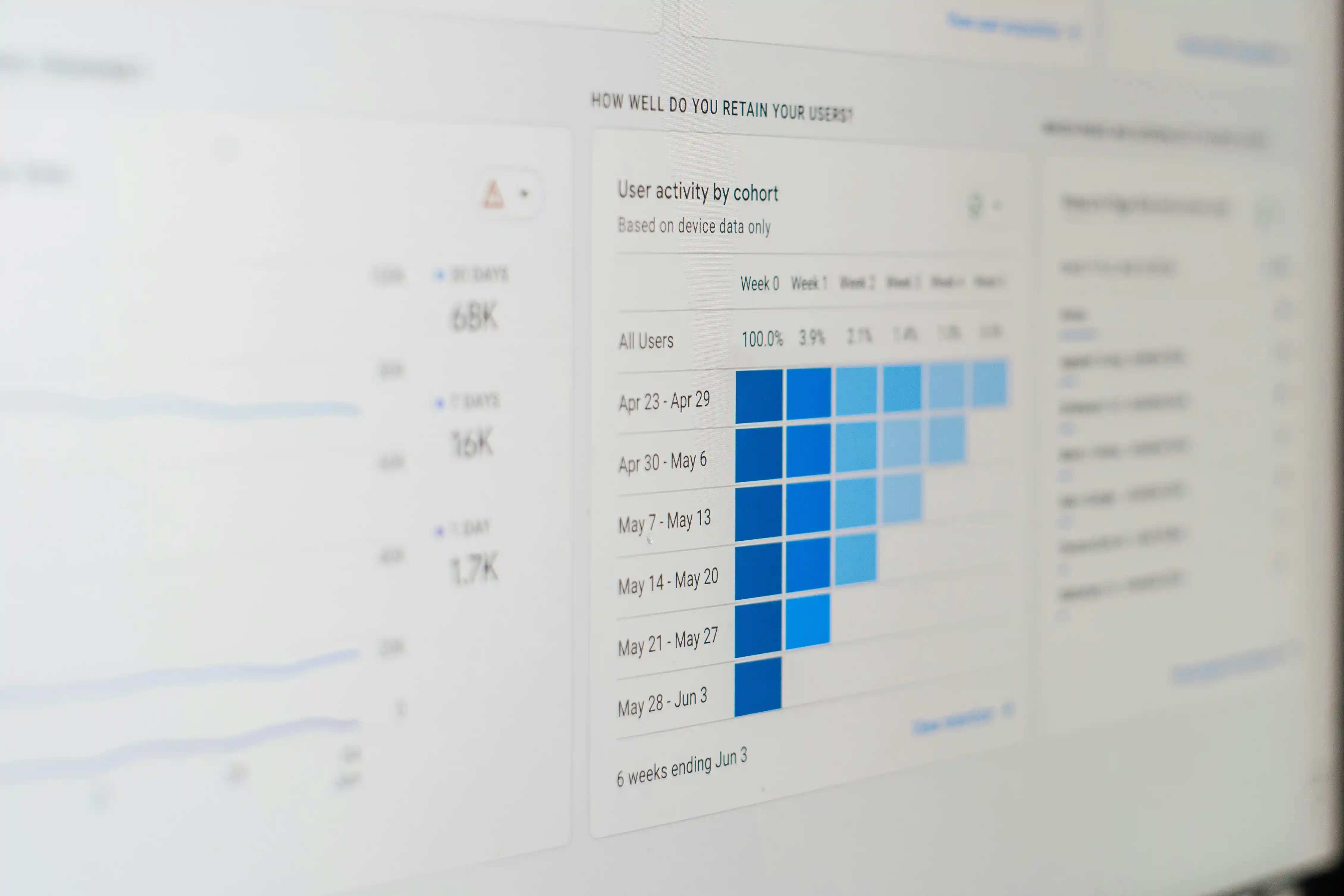
Knowing what to analyze is only useful if businesses have the right tools to do it. Top review insights platforms give businesses the infrastructure to turn raw feedback into structured intelligence consistently.
Review Management Platforms
These tools collect and analyze reviews from multiple platforms in one place. They automate the aggregation process, track volume and rating trends, and provide the centralized view that makes pattern recognition possible. For businesses managing feedback across Google, Facebook, Yelp, and industry-specific sites, a review management platform is the foundation of any review insights strategy. Platforms like Reviewshake monitor 100+ review sites from a single dashboard, making it possible to spot trends across locations without manual data pulling.
Sentiment Analysis Tools
Platforms that categorize review sentiment automatically remove the manual work of reading and tagging thousands of reviews individually. They apply natural language processing to classify feedback as positive, neutral, or negative and to identify the specific topics each review addresses.
This makes it possible to track sentiment across product lines, locations, or time periods at a scale no manual process can match.
Customer Experience Analytics Tools
These solutions connect review insights with broader customer journey data. They help businesses understand not just what customers say but where in the journey the experience is producing that feedback, which makes it easier to direct improvements to the right stage.
Top review insights platforms help businesses monitor feedback across every channel, detect patterns that isolated review reading misses, prioritize improvements based on frequency and sentiment, and measure customer sentiment trends over time so that improvements can be validated against actual changes in how customers respond.
Reviewshake brings review collection, sentiment tracking, and insights reporting into one platform. Businesses using Reviewshake can see patterns across all their review sources without manual aggregation, and act on the feedback that matters most. Start your free trial today.
Common Mistakes Businesses Make With Review Insights
Only Tracking Star Ratings
Written reviews contain specific, actionable information that star ratings cannot communicate. A business with a 4.3 average rating might have a serious and recurring onboarding problem that only appears in the written feedback. Businesses that stop at the rating number miss the substance entirely.
Responding to Reviews Without Learning From Them
Responding publicly to reviews is good practice. Using those same reviews to improve internal processes is what separates businesses that manage reputation from businesses that improve experience. Many businesses do the former without ever doing the latter.
Not Analyzing Reviews at Scale
Reading individual reviews occasionally produces anecdotes. Analyzing reviews at scale produces insights. Manual review reading makes it nearly impossible to identify patterns across hundreds of comments, which means the most valuable information stays hidden.
Ignoring Positive Review Insights
Negative feedback rightly gets most of the attention, but positive reviews contain equally important information. They reveal what the business is doing well, which experiences customers value most, and which staff behaviors or product features are generating genuine loyalty. That information should be replicated, not just acknowledged.
How to Build a Review Insights Strategy?
A review insights strategy does not need to be complex to be effective. It needs to be consistent.
1. Create a Review Monitoring Process. Decide how often reviews are collected, which platforms are included, and where the data lives. Weekly or monthly review collection cycles work for most businesses. Real-time monitoring is more appropriate for high-volume businesses where issues can escalate quickly.
2. Assign Ownership of Customer Feedback Analysis. Review insights only drive improvement when someone is responsible for acting on them. That ownership might sit with a customer experience manager, a product lead, or a marketing team depending on the business. What matters is that the role is clear.
3. Track Key Review Insight Metrics. Sentiment score by category, recurring issue frequency, and resolution improvement rates give businesses a way to measure whether their review insights process is producing real change over time.
4. Connect Insights to Business Decisions. Review insights should feed directly into operational reviews, product roadmaps, and support training cycles. Insights that stay in a dashboard without reaching decision-makers do not improve the experience.
The Future of Review Insights in Customer Experience
The way businesses extract and act on review insights is changing quickly. AI-driven review analysis now makes it possible to process thousands of reviews in seconds, identifying sentiment patterns and recurring themes that would take weeks to surface manually.
Predictive customer experience insights are emerging as the next step, using historical review data to anticipate where problems are likely to develop before they appear in volume. Automated sentiment detection already allows businesses to flag negative feedback in real time rather than discovering it in a weekly report. Real-time feedback analysis is closing the gap between when a customer experience fails and when the business learns about it.
The businesses that build review insights into their standard operating process now will be better positioned to compete as these tools become more sophisticated. The competitive advantage is not just in having the technology. It is in building the habit of listening to what customers are already saying and acting on it consistently.
Conclusion
Review insights transform customer feedback from a passive record of past experiences into an active input for business improvement. Businesses that analyze reviews strategically do not just manage their reputation. They use customer feedback to make their products better, their support more effective, and their customer journey more consistent.
The patterns are already in the reviews. Most businesses are sitting on more actionable customer feedback than they realize. The difference between a business that improves consistently and one that reacts occasionally is whether that feedback gets read, understood, and connected to the decisions that shape the experience.
Reviewshake helps businesses centralize, analyze, and act on review insights across every platform, so the feedback customers leave becomes the intelligence that drives real improvement.
Frequently Asked Questions
Q: What are review insights?
Review insights are actionable patterns and intelligence extracted from customer reviews across platforms. They go beyond star ratings to surface recurring themes, sentiment trends, and specific pain points that inform business decisions.
Q: How do businesses analyze review insights?
By centralizing reviews from multiple platforms, categorizing feedback by theme, tracking sentiment trends over time, identifying high-frequency issues, and connecting those findings to specific operational or product decisions.
Q: What are the best tools for review insights?
Review management platforms, sentiment analysis tools, and customer experience analytics solutions are the primary categories. The best platforms centralize feedback collection, automate sentiment categorization, and surface patterns that manual review reading would miss.
Q: How do review insights improve customer experience?
They surface recurring pain points before they escalate, reveal product and service gaps that internal data misses, highlight where the customer journey breaks down, and give businesses specific, evidence-based direction for where to focus improvement efforts.